The opportunity came up to do some filming for Tate. Being on the Art and Design side of the course, I didnt think I would have the chance to be involved in filming for an art gallery. I have never used a filming camera before and the daunting prospect of using it around everyone, who knew what they were doing, only hit me when we got there.
We were given exclusive press passes when we arrived, which gave us first view to the displays, this was very exciting. There were two separate parts to the display, one room was work from one artist only and the second had various artists. The exhibition was called "Tracing the Century: Drawing as a Catalyst for Change". I took two shots in the display upstairs, it seemed to take me like three times as long as all the media students, but they reassured me that my shots were good. It was really interesting to be involved in something a bit different, thoroughly enjoying using the camera. Maybe with a little more help I could use a film in my new work.
Just hoping my shots get used now, fingers crossed, I'll keep you updated.
UPDATE! 3/12/2012
Monday, 26 November 2012

14/11/2012 Cedar Lewisohn
Cedar began what he called his 'first lecture' by taking about exhibitions and art displays that he had run/been a part of. Previous to the work he has done at the Tate Modern, Cedar had helped at smaller galleries with half the budget of the Tate. He quoted "going from a budget of a few hundreds of pounds to thousands". , "the zero's have changed, but the process is the same". Cedars career rocketed when he took part in organising Rings of Saturn at the Tate Modern.
One of the main features of Cedars exhibitions are his fanzines, he believes that they are "travelling exhibitions" and can be taken and displayed anywhere.
I found the second part of the lecture more interesting, it was about the street art side of his career. He has published two books around street art and telling us what he defines as art.
Interesting quotes:
"no artist is fully accepted by everyone"
"people say that anybody can do that, but anybody didn't"
Tutorial:
I had a one-to-one tutorial with Cedar, we didn't have much time, but I showed him some of the photographs I have taken and the work I have produced from them. H said he liked the work I did where I folded into the images and manipulated the images I had taken myself. Cedar suggested that i tried producing them on a larger scale as they would have more of an impact, but he got where my work was coming from and told me to peruse with it and try different folding methods. The idea of making a fanzine came up, to which I suggested I would rather create a little book if I got the opportunity.
One of the main features of Cedars exhibitions are his fanzines, he believes that they are "travelling exhibitions" and can be taken and displayed anywhere.
I found the second part of the lecture more interesting, it was about the street art side of his career. He has published two books around street art and telling us what he defines as art.
Interesting quotes:
"no artist is fully accepted by everyone"
"people say that anybody can do that, but anybody didn't"
Tutorial:
I had a one-to-one tutorial with Cedar, we didn't have much time, but I showed him some of the photographs I have taken and the work I have produced from them. H said he liked the work I did where I folded into the images and manipulated the images I had taken myself. Cedar suggested that i tried producing them on a larger scale as they would have more of an impact, but he got where my work was coming from and told me to peruse with it and try different folding methods. The idea of making a fanzine came up, to which I suggested I would rather create a little book if I got the opportunity.
13/11/2012 Manipulation
The
unit in textiles and fashion is manipulation. Over the holidays I have been
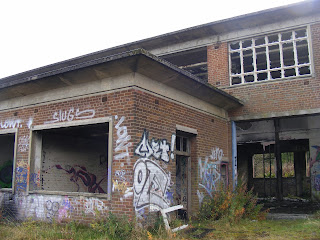
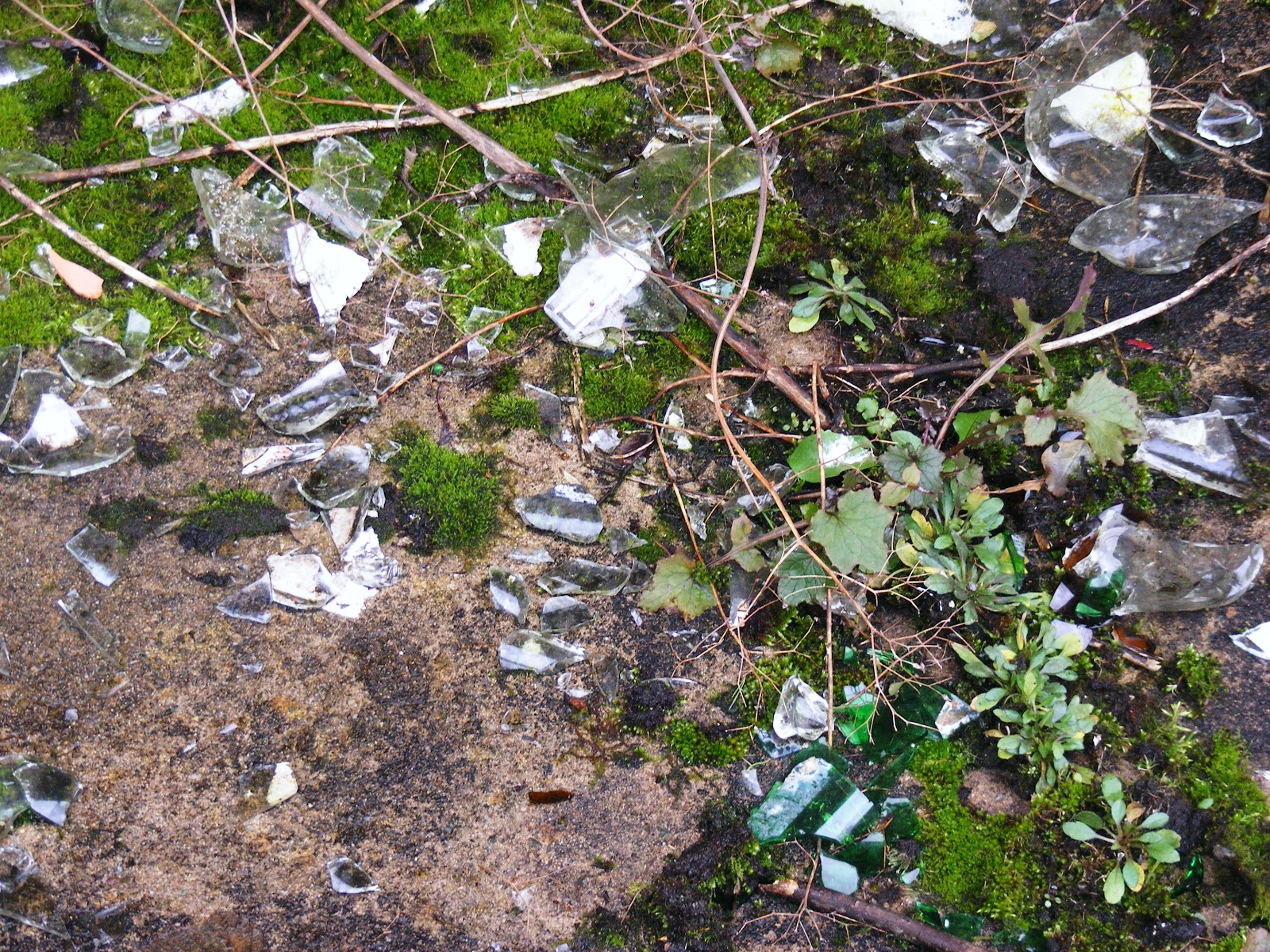
busy gathering images and going out to do shoots. I have taken images of derelict
buildings and the items that you can find in them, as part of this I am
planning on doing a revisit to the place where I shot my fashion
shoot from my previous work. In the lesson we started to work with fabrics and
heat them until the fibres shrunk and created new and interesting effects.
Towards
the end of the lesson I started to work with some of my images with inspiration
from the First Cut exhibition at Manchester Art Gallery. I started cutting into
the images and folding them, this worked very well and I hope to develop this
further with more artists research. The main artist that inspired me to do this was Abigail Reynolds. There are images of her work and my development below...


My Work...


12/11/2012 Whitworth Art Gallery- Manchester
Jane and Louise Wilson had taken a series of photographs and recorded a film based around the Chernobyl nuclear disaster.It showed the devastation left behind, focusing mainly on the empty buildings that had been abandoned. I thought this might relate well to the theme I plan on using in my project, I have gathered images on empty and damaged buildings. The images taken within this have made me want my images to have meaning.
The film which was produced by Jane and Louise Wilson, it was hard to understand as we were only able to start watching it part way through and didn't have time to watch the whole thing again as the gallery was about to close. Some of the imagery included in this film were amazing and it showed the effect that nature has over time on buildings and the sheer impact this can have. Interesting angles of the buildings were used and I want this to influence my work.
These are some of the images I have already gathered...



The film which was produced by Jane and Louise Wilson, it was hard to understand as we were only able to start watching it part way through and didn't have time to watch the whole thing again as the gallery was about to close. Some of the imagery included in this film were amazing and it showed the effect that nature has over time on buildings and the sheer impact this can have. Interesting angles of the buildings were used and I want this to influence my work.
 |
| http://www.whitworth.manchester.ac.uk/whatson/exhibitions/jane-and-louise-wilson/ |




9/11/2012 David Sheppard
Today we had a lecture from David Sheppard (if you can call it a lecture, more like a personal group chat). He told us about his history in Art and how is man careers have come about. One of his main careers as a music journalist was unintentional, he found a hidden talent whist on tour with his band where he was asked to produce a diary of every place visited, sending them in letter form back to base. Little did he know that these letters would later be published in American College Music Journal. he told us about his many experiences as a journalist, such as editing and writing for Mojo Magazine and being an editor of the Art and Music magazine from the Saatchi Gallery. As him an his friends started the magazine they didn't expect to sell that many copies, they produced only two before being approached by the Saatchi Gallery who wanted to use it as their magazine.


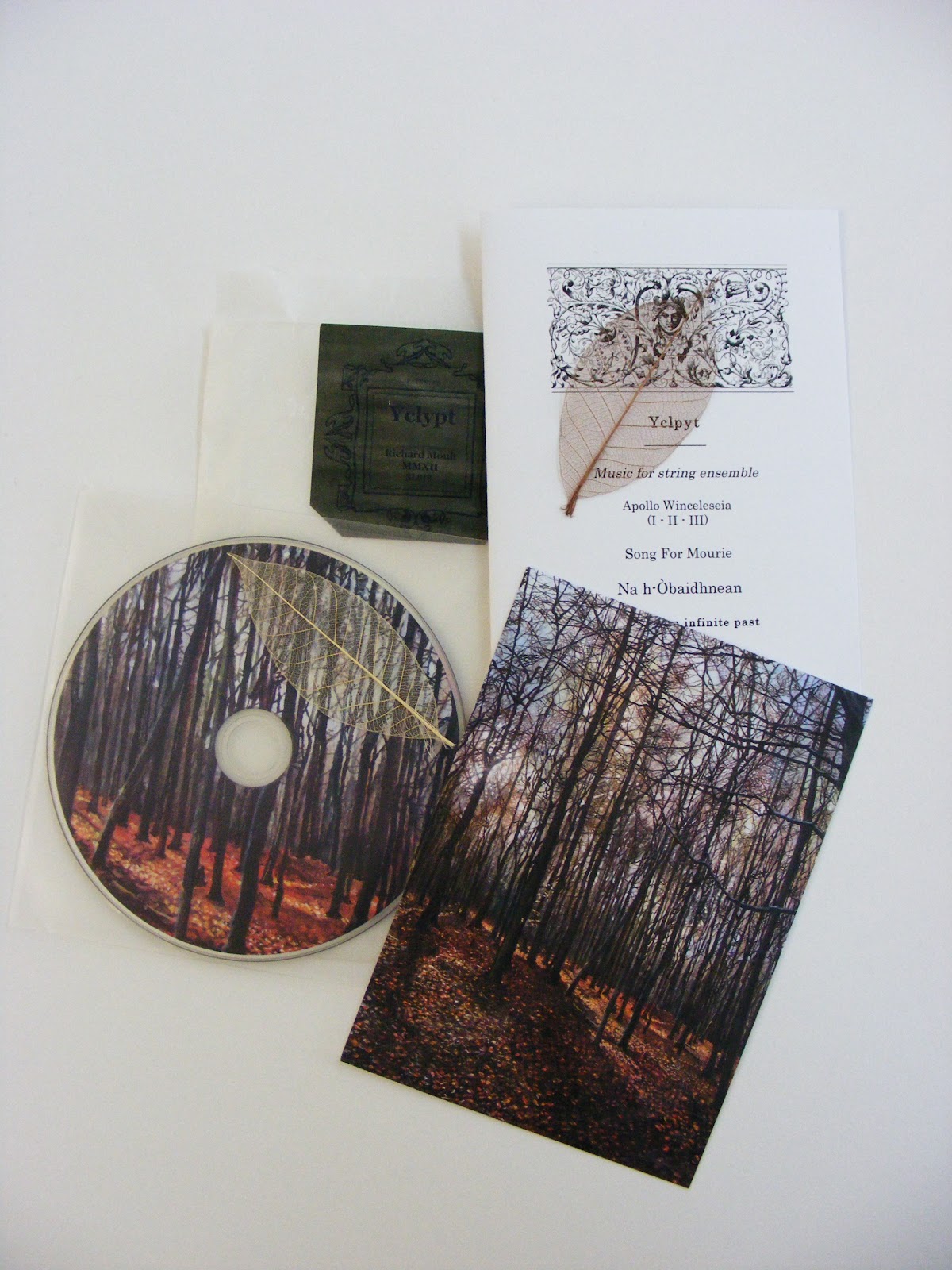
David started a record label, which is very unique. The records themselves were a work of art, including packages based around the music that was on the CD's. Starting the label, David used a few artists that he knew, and now seeks new artists or allows them to find him. Each record that was produced was thought carefully about and hand crafted items to include with the CD. One record that was extremely interesting for me included a book telling a tale about the song, the book used found papers and recycled them into something new. I liked the idea that the book had been created by hand and had been thought about very carefully. This shows me that art is not strict and you can find many different ways to apply art to everyday life, including art for music.
The talk with David was a true inspiration, he told us that it takes a while to build up a career, but if you are willing to try new things and get to know new people, that it will really help. He advised that we had more than one thing going at once and not just the 'put all of your eggs in one basket'. One little thing can make all the difference and take you down a pathway you would have never thought of for yourselves, he said we should just go with the flow.
Below I have included some of the records produced by Davids record label...




Wednesday, 21 November 2012
12/11/2012 The First Cut Exhibition
I noticed that there was a paper cutting exhibition on at The Manchester Art Gallery. It featured some artists which I have previously carried out research on and some others that I had never heard of before, the collection and variation in the artists was massive.
Danielle told me that our next unit would be based on manipulation and different ways in which we can manipulate fabrics of our choice, I thought that the exhibition would therefore be relevant to my work as I was interested in working with paper.
When I first arrived at the gallery there didnt appear to be that much of the paper cutting work, as there were just a few pieces located around the gallery, however, after much confusion I managed to find the main room. There were many different styles of work using different methods of cutting and manipulating paper. The work was a massive inspiration for me and I plan on using the artists work throughout this project and cannot include all the work from the gallery in this post, I have included just a few highlights.
 |
| Susan Stockwell |
 |
| James Aldridge |
Moving from Birds to buildings...
So the move from birds to buildings seems a little dramatic.. but in my head it made perfect sense. There was one image that I had taken that formed this dramatic move. I had already considered the structure of birds when looking at the stuffed ones, so in my head it all made perfect sense. How I got on to considering derelict buildings is another matter in itself! This was brought around by the theme of destruction and distress (which I have always had a keen interest in). I thought I should possibly clear up how I moved from birds to buildings for those who don't understand my complex mind... :)
Subscribe to:
Posts (Atom)